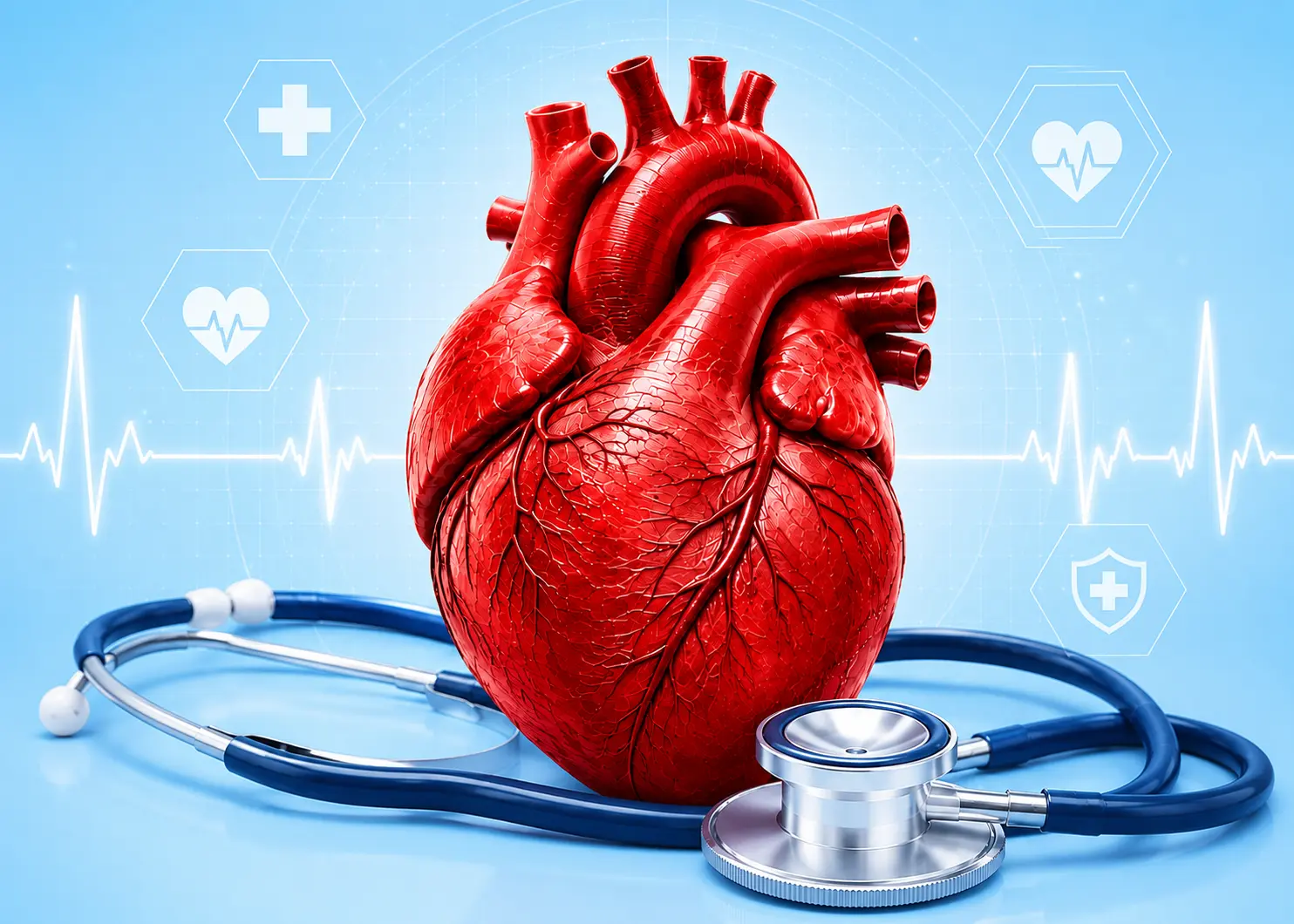
Healthy heart is a necessity for overall well-being, but heart or cardiovascular diseases can develop gradually or show symptoms that are easy to overlook. By receiving knowledge about the signs, risk factors, treatment options, and tests, it can help people seek the appropriate medical care. A cardiology specialist evaluates the symptoms and recommend the treatment options based on what patients needs.
Doctors use various diagnostic tests to check heart function and activity. The tests might be recommended depending on a patient’s symptoms, medical history, age, and risk factors. Common assessments include:
Certain heart attack symptoms should not be ignored. It can vary between individuals. Some of them are;
A heart doctor assess these signs, review medical history and recommend further evaluation.
Heart disease can occur in patients differently, and it can affect the heart in various ways. Some commonly encountered conditions include:
Several factors can increase the risk of heart problems. While age and family history cannot be changed, many lifestyle-related factors can be managed.
Important risk factors include:
A cardiologist may suggest several treatment approaches based on individual medical needs. The following approaches are:
Consider consultation with a cardiologist when symptoms such as, breathlessness, dizziness, and chest discomfort, occur. To the people who have cardiovascular risk factors, special assessment may also be recommended. A cardiology hospital in Qatar provides cardiac evaluations, diagnostic testing, and treatment options based on the individual needs.
1. What are common heart attack symptoms?
Common symptoms of heart attack may include dizziness, breathlessness, discomfort, and pain that spreads to arm, back, neck, etc.
2. What is an ECG test used for?
An ECG test records the electrical activity of heart to identify certain abnormal rhythms and other cardiac irregularities.
3. When should I consult a heart doctor?
Consult a heart doctor if you experience recurring chest pain, breathlessness, palpitations, or dizziness.
4. How can heart disease risk be reduced?
Apart from proper treatments, heart disease can also be reduced by maintaining a healthy weight, regular physical activity, avoiding smoking, and managing diabetes cholesterol, etc.
.jpeg)